Introducing… T Levels
THE NEXT LEVEL QUALIFICATION
Combining classroom-based learning with on-the-job training.

What are T Levels?
A T Level is a two-year course primarily aimed at 16 to 19-year-old learners. Equivalent to three A Levels, they are a level 3 technical option that combines classroom-based learning with a strong element of on-the-job training through a minimum 45-day industry placement.
T Levels have been developed in select subject areas, alongside employers and businesses to ensure they meet industry needs.

A T Level is made up of two main parts…
Technical qualification
- Core content (knowledge and skills relevant to all occupations covered by the T Level).
- An occupational specialism (the knowledge and practical skills to enter employment in a particular occupation).
Industry placement
- Every T Level will include an industry placement with an employer, which will last a minimum of 315 hours (approximately 45 days) but can be longer.

You can find T Levels in the following course areas:

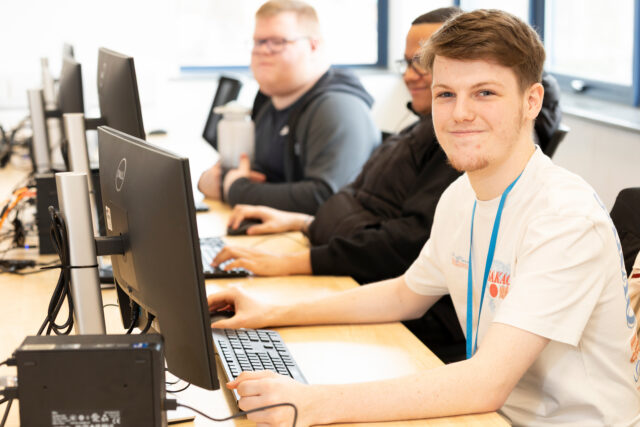

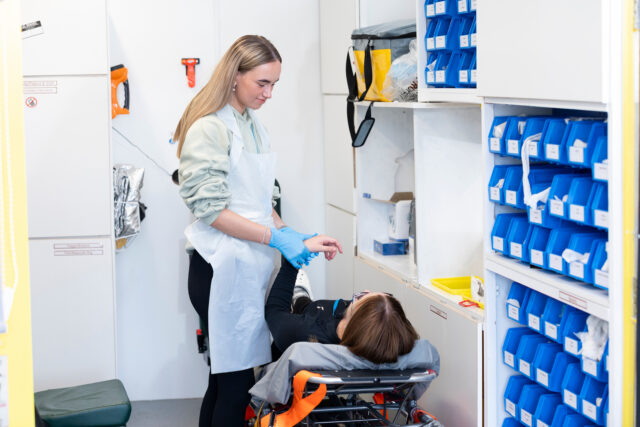
Here's what our students have to say…
“I got the chance to meet amazing friends and learn new skills that I will use for the rest of my life.”
“I knew this could get me to a higher band in nursing and I wanted more practical experience than theory.”
“I just wanted to study Business and wasn’t bothered about other A Levels.”
“I love all the practical work and how supportive my tutors are.”
“I chose a T Level as I knew what I wanted to do and this opened up more pathways and opportunities.”
“I chose a T Level at SRC because it’s a smaller college so it creates a sense of community, and the staff and students are both familiar with each other and there’s a stronger system of support.”
“I have completed double my 315 hours necessary to pass my course and due to my placement, I now have a job that I love and look forward to going to.”
“I have developed a lot of new skills like communication and I have overcame fears like going to new placements and talking to new people.”
“The way it is set out is easy to understand and allows us to take in what we’re being taught and it’s very hands on.”